ID: F.AR.2.029
Name: Longnecked Hound
Sub Order: A Dual of Pale Head,
Now come Be That Dread
Class: Pretaria
Sub Class: N/A
Order: Roungar
Group: Hound
Sub Group: Jousting Beast
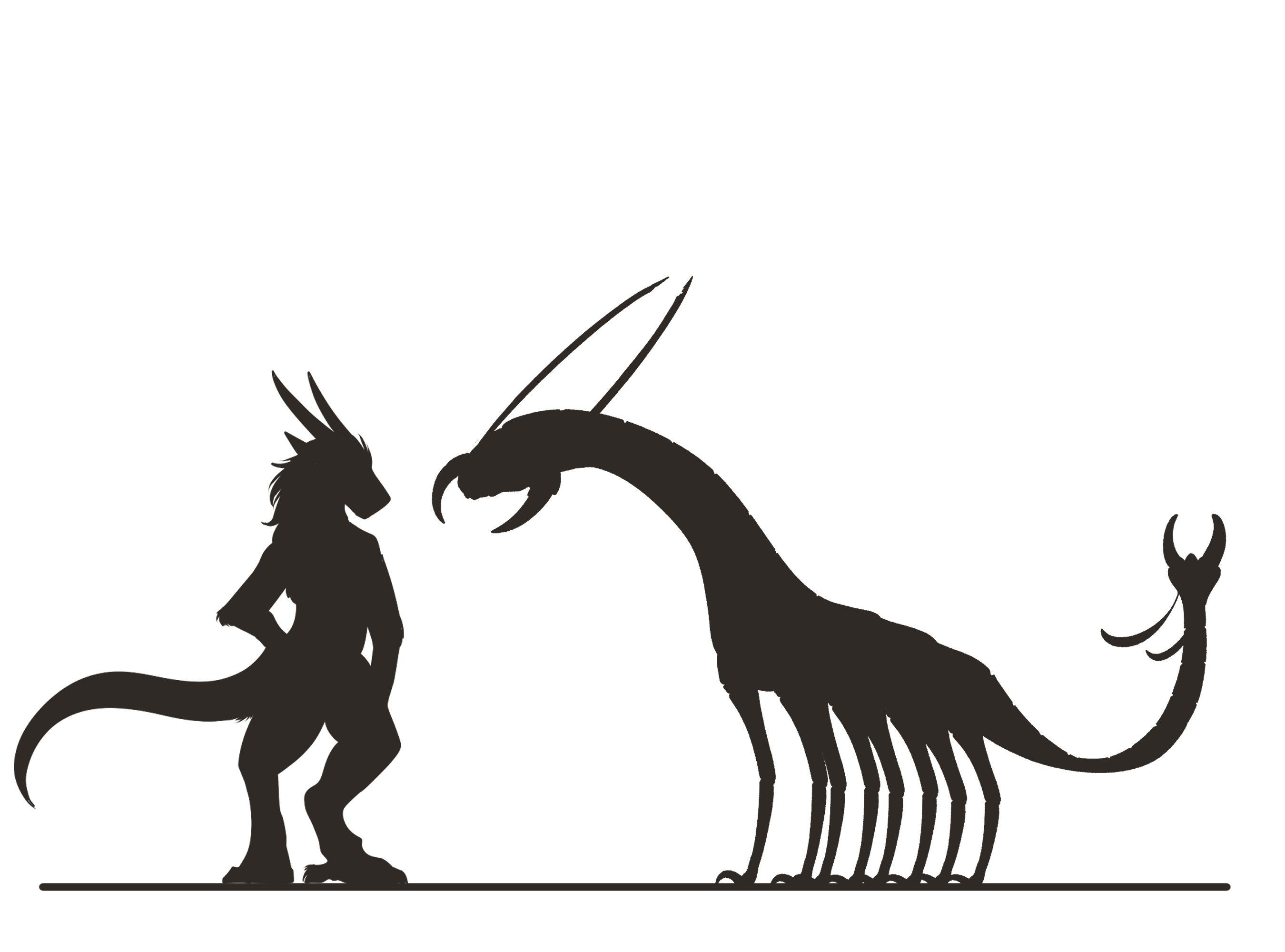
Weight: ~500-1000llbs
Height: 5-10ft
Related Species:
Calls:
Range
Longnecked Hound inhabit the Palereach
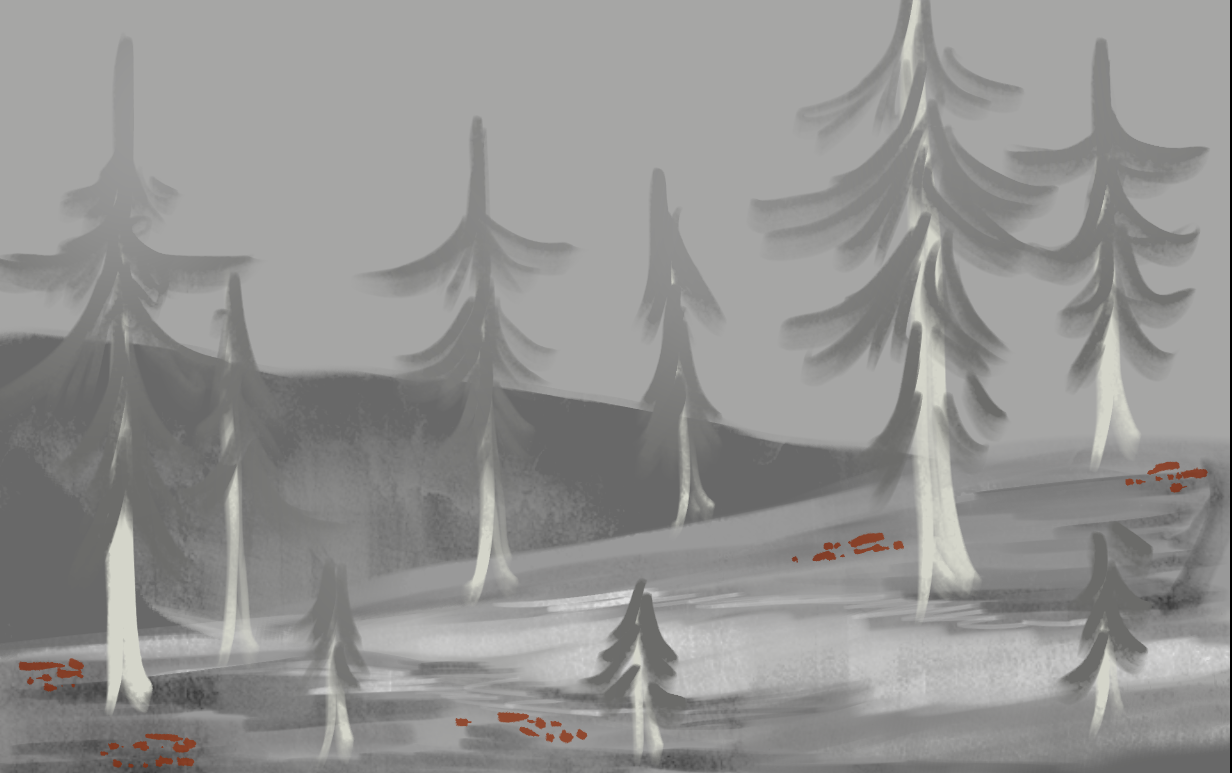
Longnecked Hound
Overview
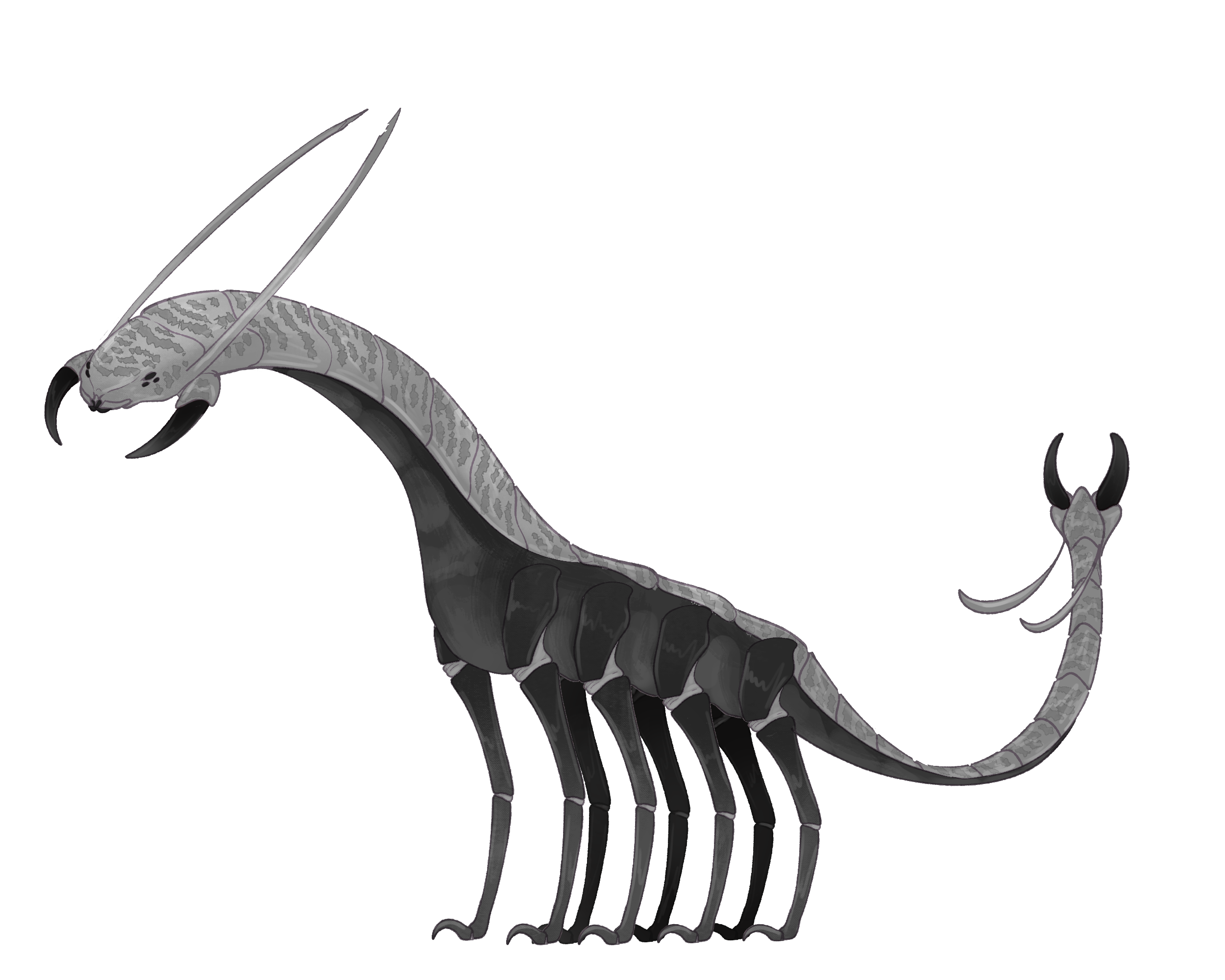
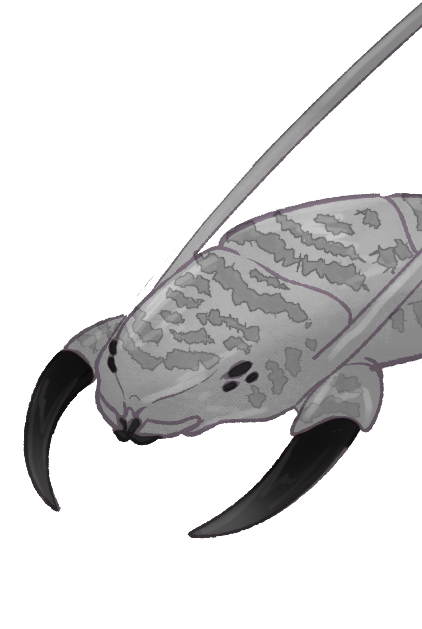
True to its name, the hounds neck is unusually long. Supporting a flat head flanked by menacing
mandibles. Each mildly venomous. Its four legs are frail yet hooked at their ends. The tail
represents a false head. The hounds move alone when exploring or hunting, but will form small
colonies higher up in rocky outcroppings. Where typically 3-20 will live. Their hooked claw
upon each leg mildly supports their rock climbing endeavors. Though they are not the most graceful,
they can reach safety well enough. If their colony is raided by predators, the hounds if numbered
enough will swarm and mob the danger.
Their long armored necks keeping their legs safe as they joust with their heads.
This too is how they hunt. With an impressive reach they ambush their prey. Ataulfen and
Slopebacked horses alike. Hiding behind trees or boulders and then snaking its long neck
around to strike. The mandibles offer a strong grip and hook deep into prey, and as their
prey struggles they will rip and tear themselves. And as the prey wounds itself, the hound
will feast, prey still living.
Temperment
The hounds temperament is that of calculating almost docile interest. They wait and set ambush and trap for prey. And when they are not hunting, they use their long necks to survey, stalk, and watch. Some travel to the palereach solely in attempt to tame a hound for themselves. As they have proven time and time again to be extremely helpful on farms.
Life Cycle
The hounds will pick a different mate each time, often venturing out and away from their colony to act as bachelor. And when they find a mate, they do not stay long. Often attempting to return to their colony, yet the others may find them traitorous and banish them to their mates colony. Yet- could accept them once more come next rut. Larval pups are kept in the colony. Often burdening one hound who takes care of them all. They mature to be semi hound shaped after a year, and after a few months of this half stage. Will pupate out of half grubs to pups. This change is extremely energy intensive and often will end the little lives young. But those who change will slowly grow up in their respective colony. Some will eventually wander off should the colony grow too large to form their own, others settle where they are at.