ID: F.MA.1.071
Name: Tenghuo
Sub Order: Change of color, wide of throat
Class: Pretaria
Sub Class: N/A
Order: Roungar/Sunlacht
Group: N/A
Sub Group: N/A
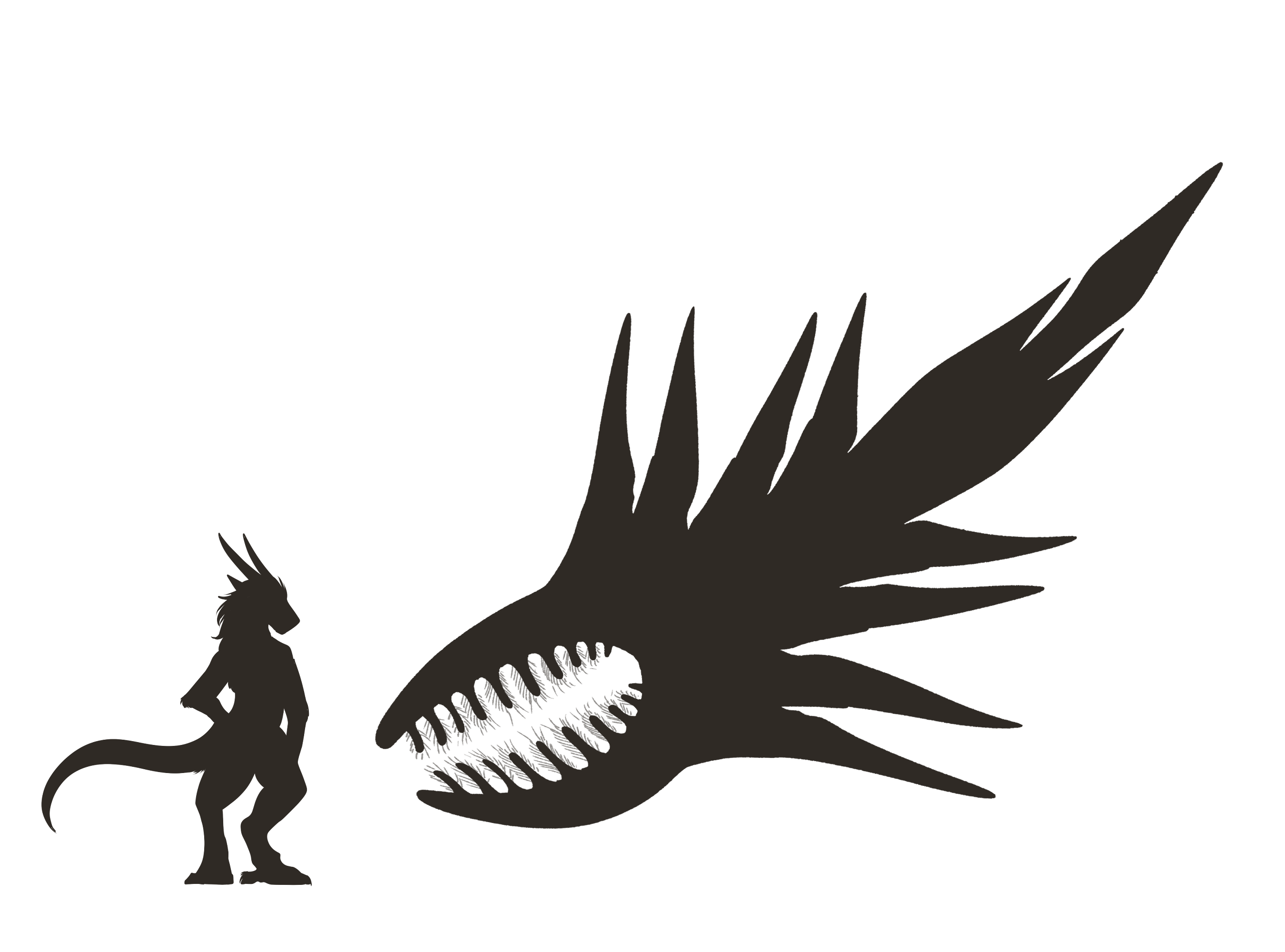
Length: 15-20ft
Weight: 5-20llbs
Related Species:
Range
Tenghuo inhabit the upper malian atmosphere
Tenghuo
Overview
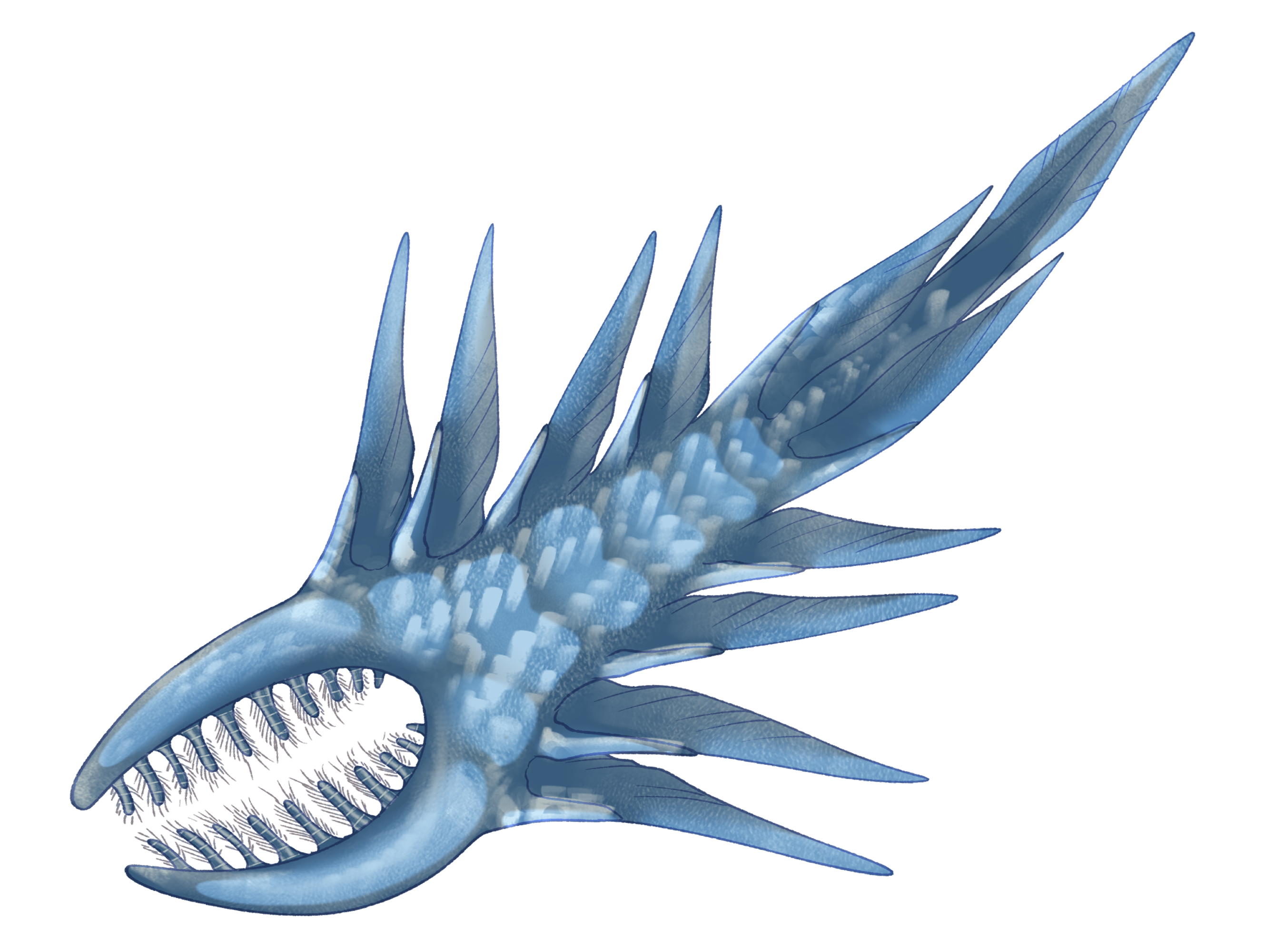
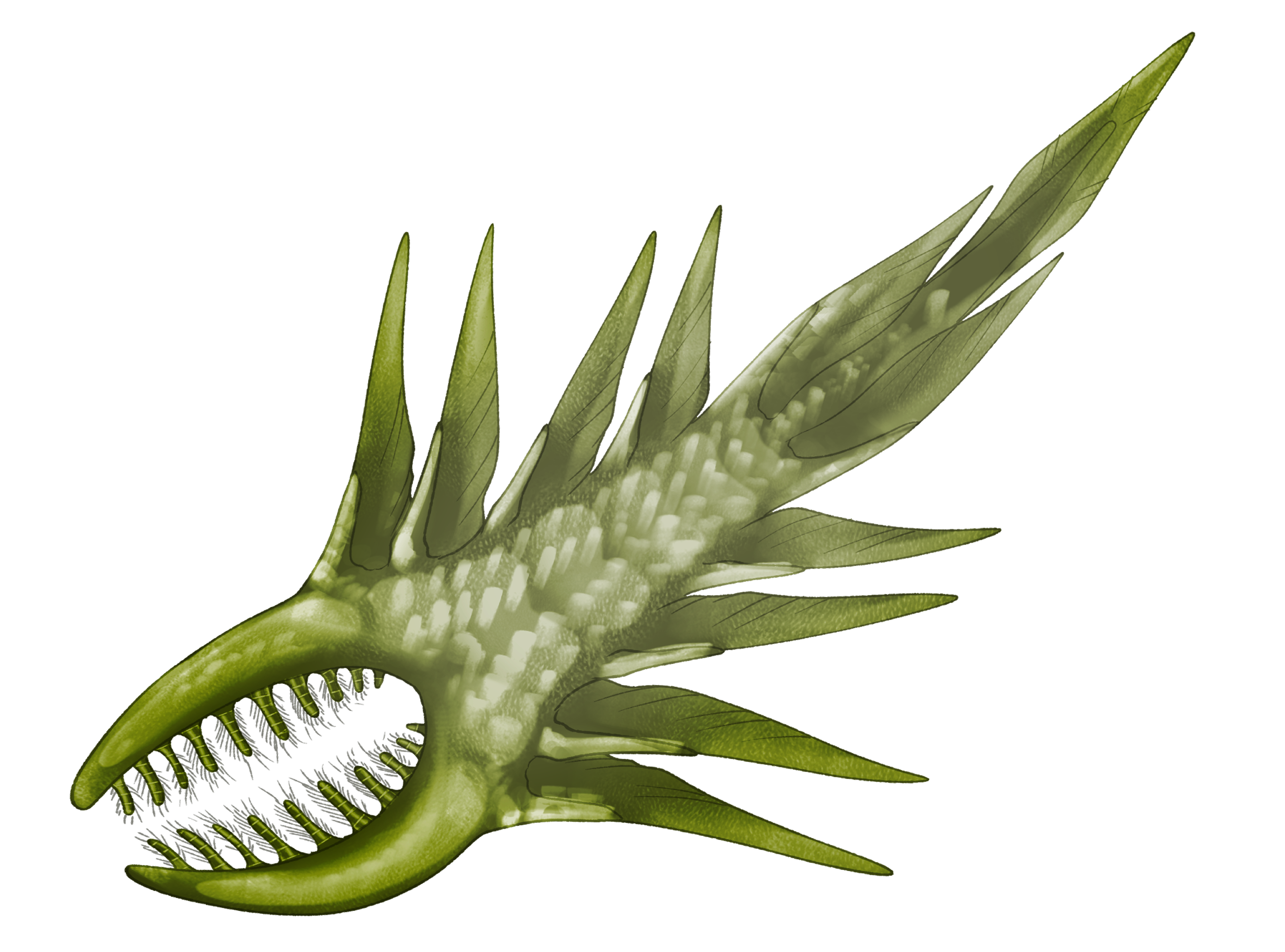
With extremely spongy flesh, no bones, and distinct sexes, Tenghuo are a semi common sight in the upper malian atmosphere. Flocks of the floating animal can be seen feeding off the particles blown in from below. Males are blue and rely solely on their ability to filter feed whilst females are green and can photosynthesize. When stressed or when populations of male and female are not equal, the Tenghuo can change sexes at will to even out the playing field for reproduction. They use their fins to maneuver about the air and avoid predators like the Koïta yet cannot avoid predators like the Malian Storm Singer. Since Tenghuo do not rely on storms to move, they have far more liberty high above and migrate frequently. Following the general pattern of floral blooms below so far below. As pollen and spores make their way high up. Of course, the Tenghuo when it can, will take advantage of extra protien and will consume floating Xanglen when they can.
Temperment
Males rely on the temperament of their female companions, for without green or eyes they cannot see. Females in Eastern Malia do not tend to spook as easily as females in Western Malia. The reason for this is unknown.
Life Cycle
Tenghuo at the start of the breeding season (fall) will flock together in droves. Males will release specialized spores during a time of fasting. These spores will be absorbed through the females skin and processed internally to impregnate. These periods of spawning typically last a week at the beginning of each fall. And throughout the winter females will carry these offspring, feeding off the suns, and their male counterparts either switch sexes or die of starvation. The all female populace at the end of winter will then give birth high up in the sky, their spawn start off small and start off female. They will typically drift in the middle to low atmosphere as to not be consumed by their parents above. Half of a spawned population will typically switch to being male as they mature. And as they grow larger, they will drift ever higher to then be reunited with their parent and or other adult populace above.
This is not always how it goes though. Should a Tenghuo start the process of switching sex too late, should they be in that in-between state during the release of male spores. The patches of green female flesh will still absorb the male spores. Halting the process of sex switching and damning the foolish Tenghuo to a slow death. Without proper space, the young will grow in the female patches and will not be able to be birthed come spring. Instead they will grotesquely grow inside the live host and the added weight and pain will drag the Tenghuo to the ground where it is either left to rot or eaten.